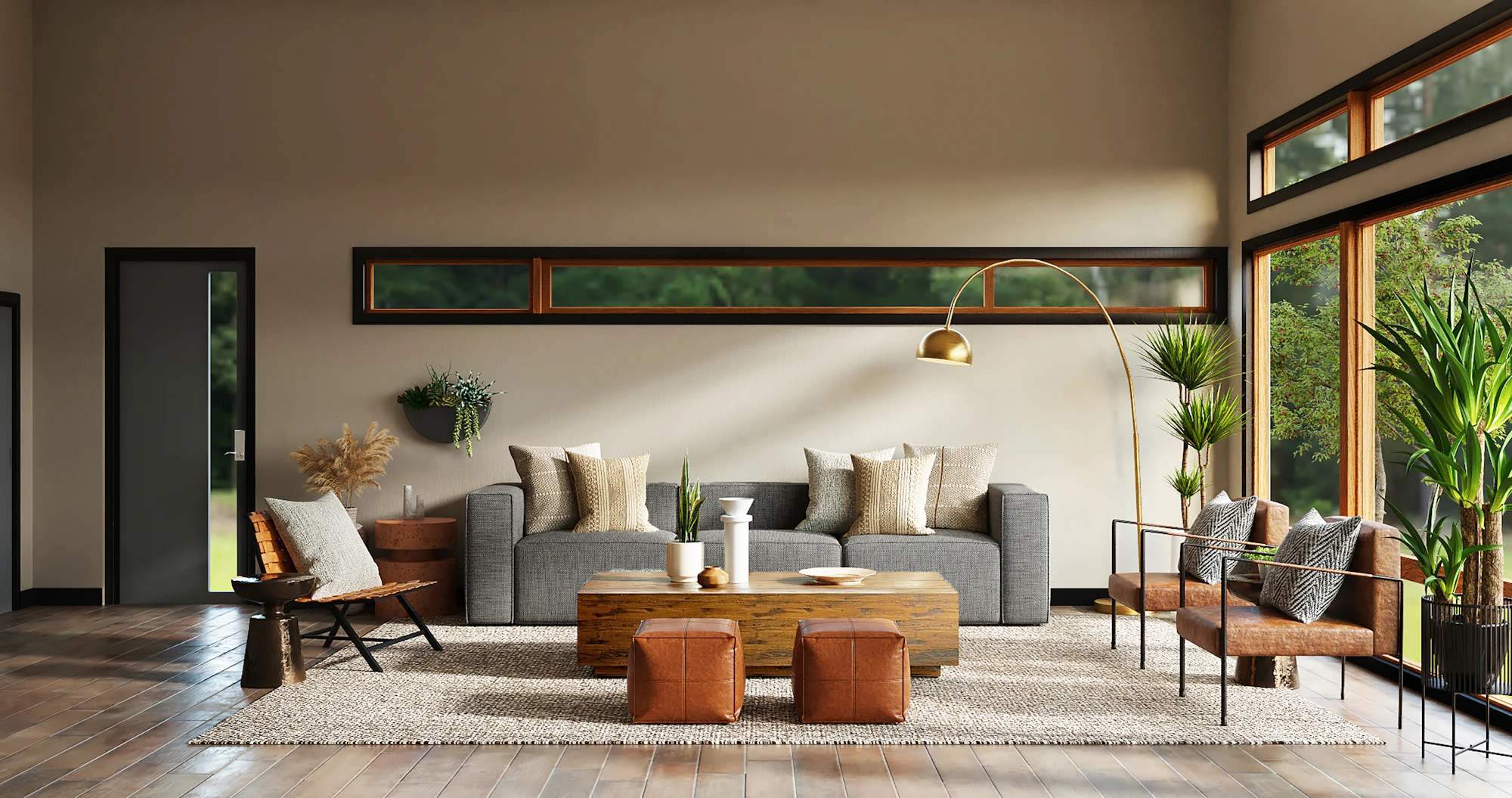
Flash is out. Substance is in. The "Quiet Luxury" trend isn't just a fashion statement; it's a macroeconomic signal that consumers are valuing longevity, craftsmanship, and heritage over logos and hype. This shift has profound implications for investors and business owners alike.
The Psychology of Permanence
In uncertain times, consumers flock to the familiar and the durable. They want products and services that promise to last. This is a reaction against the disposable culture of the past two decades. People are tired of things that break, software that becomes obsolete, and brands that stand for nothing.
This shift favors businesses with:
- Uncompromising Quality: Goods that improve with age rather than deteriorate. The leather bag that develops a patina, the tool that lasts a lifetime.
- Transparent Sourcing: A clear, ethical story behind the product. Consumers want to know who made it, where the materials came from, and that no one was exploited in the process.
- Understated Elegance: Design that whispers rather than shouts. It signals confidence. It says, "I don't need to scream for attention because my quality speaks for itself."
The Investment Implications
For investors, this signals a shift towards brands with deep heritage. These assets hold value better in secondary markets and command higher customer loyalty. They are less susceptible to the whims of fast fashion or fleeting tech trends. A heritage brand has a story that cannot be copied. You can copy a product, but you cannot copy 100 years of history.
We see this as a flight to quality in all asset classes. In real estate, it's the move toward well-built, timeless architecture over trendy developments. In equities, it's the preference for companies with strong moats and consistent cash flows over high-growth, unprofitable tech stocks.
Adduco's Lens
We seek out "Quiet Luxury" in B2B sectors as well—companies that quietly dominate their niches through superior service and reliability, rather than aggressive sales tactics. These are the hidden champions of the economy. They may make a specialized component that is critical to a larger machine, or provide a service that is essential but invisible.
These companies often have boring websites and no marketing department, but they have customers who have been with them for 30 years. That is the kind of quiet quality we love. It is resilient, it is profitable, and it is built to last.